Transforming Family Fun: A Look at Modern Centers
- Nov 10, 2025
- 4 min read
Family entertainment has evolved dramatically over the past decade. Modern centers are no longer just places to play games or grab a quick snack. They have transformed into immersive, multi-dimensional hubs designed to engage every member of the family. This shift reflects broader family fun industry trends that emphasize technology, inclusivity, and unique experiences. In this post, we will explore how these centers are changing, what drives these changes, and what the future holds for family entertainment.
Emerging Family Fun Industry Trends Shaping Modern Centers
The family fun industry is adapting to new consumer expectations and technological advancements. Here are some of the most significant trends shaping modern family entertainment centers:
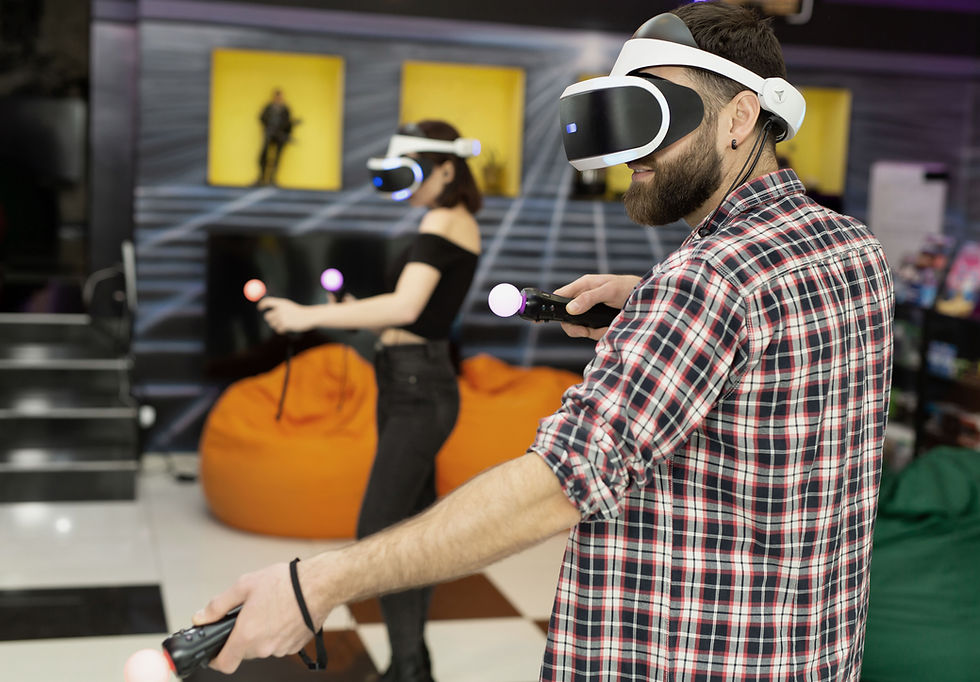
Interactive and Immersive Experiences: Virtual reality (VR), augmented reality (AR), and mixed reality games are becoming staples. These technologies create engaging environments that captivate both kids and adults.
Multi-Generational Appeal: Centers now design activities that appeal to all ages, from toddlers to grandparents. This includes everything from toddler play zones to escape rooms for teens and adults.
Health and Safety Focus: Post-pandemic, there is a heightened emphasis on cleanliness, air quality, and social distancing options. Many centers have integrated touchless payment and booking systems.
Sustainability Initiatives: Eco-friendly materials, energy-efficient lighting, and waste reduction programs are increasingly common as centers respond to environmental concerns.
Food and Beverage Innovation: Beyond traditional snacks, many centers offer gourmet, allergen-friendly, and locally sourced food options to enhance the overall experience.
These trends reflect a broader shift toward creating memorable, safe, and inclusive environments that encourage families to spend quality time together.

What Industry Are Amusement Parks In?
Amusement parks fall within the broader leisure and recreation industry, which includes various entertainment venues such as water parks, theme parks, and family entertainment centers. This industry focuses on providing recreational activities that offer fun, excitement, and relaxation to visitors of all ages.
Amusement parks specifically combine rides, shows, games, and themed environments to create immersive experiences. They often serve as major tourist attractions and contribute significantly to local economies. The family fun industry trends influencing amusement parks include:
Theming and Storytelling: Parks are investing heavily in themed areas and narratives to enhance visitor engagement.
Technology Integration: From app-based queue management to interactive ride elements, technology is transforming the guest experience.
Sustainability Efforts: Many parks are adopting green practices, such as solar power and waste reduction, to appeal to environmentally conscious visitors.
Safety Enhancements: Upgraded safety protocols and infrastructure improvements ensure a secure environment for guests.
Understanding the industry context helps clarify how family entertainment centers fit into the larger leisure ecosystem and how they differentiate themselves by focusing on family-oriented, accessible fun.
Designing Spaces for All Ages and Interests
One of the key transformations in family entertainment centers is the design of spaces that cater to diverse age groups and interests. This approach encourages families to spend more time together, as everyone can find something enjoyable.
Zones for Different Age Groups
Toddlers and Preschoolers: Soft play areas, sensory rooms, and interactive storytelling sessions.
Children and Preteens: Arcade games, climbing walls, laser tag, and mini-golf.
Teens and Adults: Escape rooms, VR experiences, bowling alleys, and sports simulators.
Seniors: Comfortable seating areas, board game lounges, and gentle activity zones.
Inclusive Design Features
Accessibility ramps and equipment for individuals with disabilities.
Quiet zones for guests who may need a break from sensory stimulation.
Family restrooms and nursing rooms to accommodate parents with young children.
Practical Recommendations for Operators
Conduct regular surveys to understand visitor preferences.
Rotate attractions seasonally to maintain interest.
Partner with local artists and entertainers to offer unique programming.
By thoughtfully designing spaces, centers can maximize visitor satisfaction and encourage repeat visits.

Leveraging Technology to Enhance Engagement
Technology is a driving force behind the transformation of family entertainment centers. It not only adds excitement but also improves operational efficiency and customer experience.
Popular Technological Innovations
Virtual Reality (VR) and Augmented Reality (AR): Immersive games and experiences that transport players to new worlds.
Mobile Apps: For booking, navigation, loyalty programs, and interactive scavenger hunts.
Cashless Payment Systems: Streamlining transactions and reducing wait times.
Interactive Screens and Projections: Engaging visitors with dynamic content and games.
Data Analytics: Tracking visitor behavior to optimize layout and offerings.
Actionable Tips for Implementation
Start with pilot programs to test new technologies before full-scale deployment.
Train staff thoroughly to assist guests with tech-based attractions.
Use technology to gather feedback and improve services continuously.
Technology, when integrated thoughtfully, can create memorable experiences that keep families coming back.
The Role of Food and Beverage in Family Entertainment
Food and beverage offerings are no longer an afterthought in family entertainment centers. They play a crucial role in enhancing the overall experience and increasing dwell time.
Trends in Food and Beverage
Health-Conscious Options: Gluten-free, vegan, and organic choices.
Local and Artisanal Products: Supporting local businesses and offering unique flavors.
Themed Dining Experiences: Restaurants and cafes that match the center’s overall theme.
Quick Service and Grab-and-Go: Catering to busy families who want convenience.
Recommendations for Operators
Conduct market research to identify popular food trends among your target audience.
Offer combo deals and family meal packages.
Ensure allergen information is clearly displayed.
Create comfortable dining areas that encourage relaxation and socializing.
A well-curated food and beverage program can significantly boost customer satisfaction and revenue.
Looking Ahead: The Future of Family Entertainment Centers
The future of family entertainment centers is bright, with continuous innovation and adaptation to changing consumer needs. Key areas to watch include:
Sustainability: More centers will adopt green building practices and eco-friendly operations.
Personalization: Using data to tailor experiences and marketing to individual families.
Hybrid Models: Combining physical and digital experiences, such as virtual events and online games.
Community Engagement: Hosting local events, workshops, and charity drives to build strong community ties.
Operators who stay ahead of these trends and prioritize customer experience will thrive in the evolving landscape.
For more insights and updates on the family entertainment center industry, explore expert blogs and resources that delve deeper into strategies and innovations.
By embracing these trends and focusing on creating inclusive, engaging, and safe environments, modern family entertainment centers are truly transforming the way families have fun together. Whether through cutting-edge technology, thoughtful design, or exceptional food offerings, these centers are setting new standards for family-friendly entertainment.